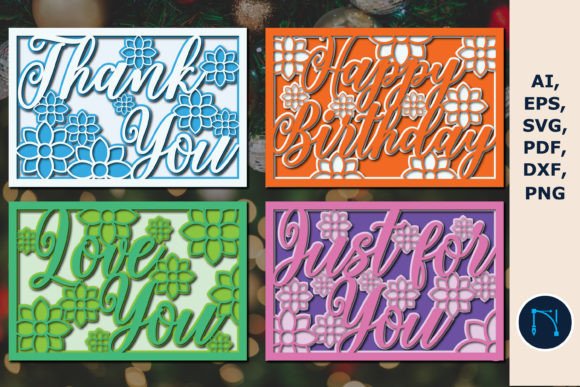
3D Layered Greetings Cards SVG Bundle for Laser Cutting
As a brand designer who has spent years refining visual identities for local enterprises, I approach every new graphic design asset with a critical eye. We are not just looking for pretty pictures; we are looking for tools that elevate a business’s perceived value and communicate its personality instantly. Recently, I evaluated the 3D Layered Greetings Cards SVG Bundle to see if it holds up in a real-world commercial context. The goal was simple: determine if this asset could support small business branding, enhance packaging design, and serve as a versatile component for promotional materials.
The First Impression: Mood and Brand Personality
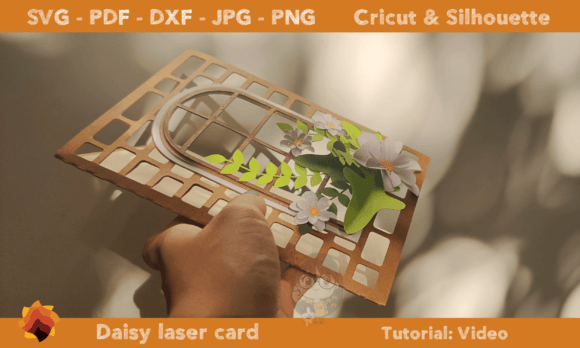
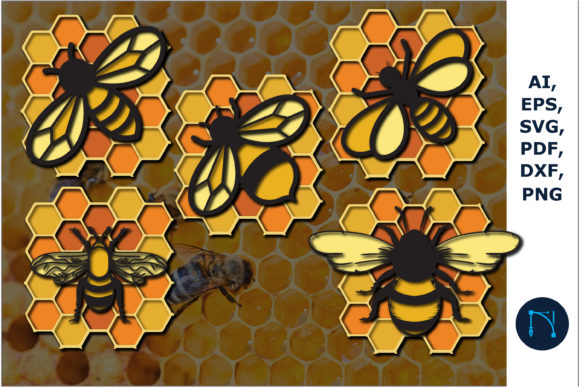
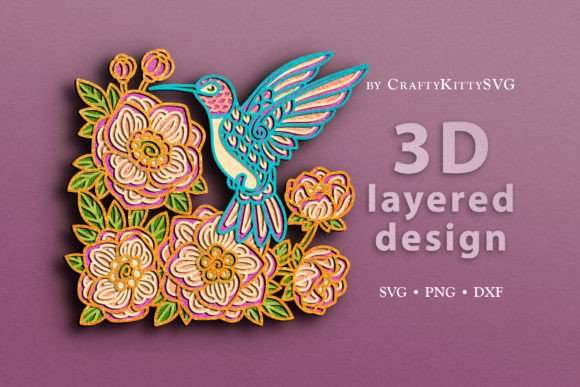
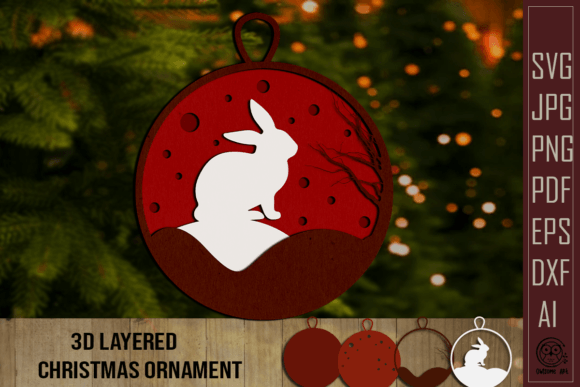
When you first open the folder containing the 3D Layered Greetings Cards SVG Bundle, the immediate takeaway is one of dimensional depth. Unlike flat vector illustrations that can sometimes feel static or dated, these designs leverage layering to create a sense of physical presence. This quality is crucial for modern brand identity work, where tactile experiences are increasingly valued even in digital spaces.
The aesthetic leans towards a blend of elegant and playful. It feels handmade yet precise, suggesting a brand that cares about detail but remains accessible. For a local bakery, this might translate to a warm, inviting atmosphere. For a boutique skincare line, it suggests natural ingredients presented with care. The asset does not scream "corporate"; instead, it whispers "artisanal." This makes it an excellent fit for handmade businesses, florists, candle makers, and gift shops that rely on emotional connection rather than cold efficiency. The mood is festive without being overwhelming, soft without being weak, and decorative without cluttering the message.
Real-World Application: From Packaging to Print
In my recent project for a local artisanal soap brand, I needed a way to differentiate their product line without redesigning the entire logo system. I turned to assets similar to the 3D Layered Greetings Cards SVG Bundle to create custom hang tags and thank-you cards. Here is how this type of asset functions in practical product label and marketing visuals scenarios:
- Packaging Accents: The layered nature of the design allows it to be used as a hero graphic on boxes or bags. When cut from cardstock using laser cutting techniques, the shadows created by the layers add a premium feel that standard printing cannot replicate.
- Social Media Graphics: In a crowded feed, static images often get scrolled past. Using these layered elements as overlays on product photos creates depth and stops the scroll. They work beautifully as background textures for Instagram stories or Pinterest pins.
- Printable Inserts: Including a branded insert in your shipping package is a powerful touchpoint. These designs can be printed on high-quality paper to create thank-you notes or care instructions, reinforcing the professional branding experience.
- Seasonal Campaigns: Because the theme revolves around greetings and celebration, these assets are perfect for holiday marketing. You can easily adapt them for Christmas, Valentine’s Day, or Mother’s Day campaigns, maintaining consistency while refreshing the look.
Supporting Business Presentation and Trust
Why does this matter? Because visual hierarchy drives customer trust. When a local business uses cohesive, high-quality design elements across all touchpoints—from the website banner to the physical box—it signals reliability. A stronger first impression leads to better product recognition. When customers see your unique layered motif on a shelf or online, they begin to associate that visual style with your specific brand values.
This asset helps improve customer trust by elevating the perceived value of the product. It transforms a simple commodity into a curated experience. For example, a jar of honey becomes a thoughtful gift when paired with a layered, die-cut tag that matches the website’s aesthetic. This consistency creates a more polished marketing visual and strengthens the emotional connection with the buyer.
Strategic Placement: Where It Works Best
To maximize the impact of the 3D Layered Greetings Cards SVG Bundle, you must place it strategically. It excels as a decorative brand element that frames important information without overpowering it. Consider using it on:
- Hang Tags and Stickers: These are the most common use cases. The layers catch the light and draw the eye to the brand name.
- Product Mockups: Use the PNG versions to overlay onto digital mockups of boxes, bottles, or tote bags. This saves money on physical prototypes during the design phase.
- Boutique Visuals: If you run a physical store, these designs can be scaled up for window decals or display boards, creating an immersive environment.
- Web Design Elements: Subtle animated versions of these layers can add interactivity to your homepage, enhancing the modern design appeal.
Cautions: Where to Use Carefully
No single asset fits every scenario. As a designer, I advise against using highly detailed layered graphics in areas where legibility is paramount. Avoid placing these assets on very small labels where the layers may blur together at low resolutions. Similarly, steer clear of using them on crowded product packaging layouts where ingredient lists or legal disclaimers need to be read quickly. The decoration should never compete with important text.
Furthermore, this style may not suit formal corporate branding or luxury minimalist brands that prefer stark simplicity. If your brand voice is strictly utilitarian or high-end austere, this playful, layered aesthetic might clash with your established identity. Always ensure there is enough negative space around the graphic to let it breathe.
Practical Designer Notes for Implementation
Before integrating the 3D Layered Greetings Cards SVG Bundle into your workflow, keep these technical considerations in mind:
- File Format Versatility: The bundle typically includes SVG, PNG, DXF, AI, EPS, and PDF formats. This is invaluable. Use the SVG or AI files for scalable vector editability when resizing for large banners. Use the DXF file if you plan to send the design to a laser cutter for physical production. The PNG files with transparency are perfect for quick social media edits.
- Color Testing: Always preview the asset in black and white first. If the design relies too heavily on color to define its layers, it may lose impact in monochrome contexts. Test it with your specific brand colors to ensure contrast and harmony.
- Typography Pairing: Experiment with font pairings. These layered graphics often look stunning beside serif fonts for a classic look, or sans-serif fonts for a modern twist. Script or handwritten fonts can also work well if you want to emphasize the "handmade" aspect, but ensure readability.
- Commercial Licensing: Always confirm the commercial license before using these assets for client work or physical product sales. Some marketplaces restrict reselling the raw files, while others allow modified use for end products.
- Mockup Validation: Do not trust the screen alone. Create a physical prototype. Cut out a version using cardstock and observe how the layers interact with light and shadow. This step is crucial for ensuring the final product meets your quality standards.
In conclusion, the 3D Layered Greetings Cards SVG Bundle is more than just a clipart collection; it is a strategic tool for enhancing local business presentation. By understanding its strengths and limitations, you can deploy it effectively to boost shelf appeal, strengthen brand identity, and create memorable customer experiences. Whether you are designing for a coffee shop, a food label, or a seasonal campaign, this asset offers the versatility needed to elevate your creative marketplace offerings.