3D Multilayered Heart Review
As a designer who spends more time looking at stitch density and thread tension than I do drinking coffee, I don’t just look for pretty pictures when evaluating digital assets. I look for viability. I look for designs that translate from a screen to fabric without losing their soul. Recently, I’ve been evaluating the 3D Multilayered Heart, a design categorized under Shadow Boxes and presented as a 3D SVG. It promises depth, dimension, and a classic motif that never goes out of style. But does it hold up in the hoop? Here is my practical assessment for embroidery designers, small business owners, and crafters who need to know if this asset belongs in their commercial workflow.
First Impressions: The Mood and Visual Personality
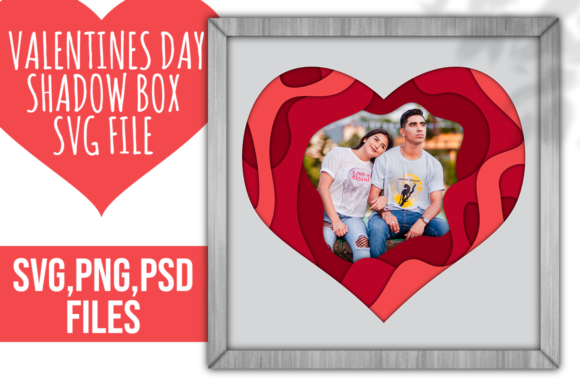
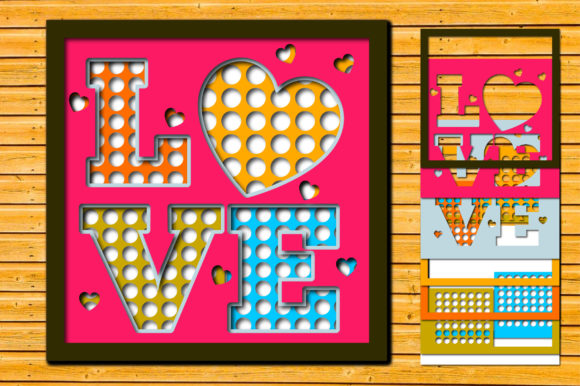
The moment you open the file preview, the 3D Multilayered Heart commands attention. Unlike flat heart motifs that rely solely on color blocking, this design utilizes overlapping layers to create a sense of volume. It feels romantic but structured—perfect for brands that want to evoke warmth without appearing overly childish. The "Shadow Box" categorization suggests a framed or recessed aesthetic, which implies that the final stitched product will have significant tactile appeal.
Visually, the design strikes a balance between boldness and delicacy. It isn’t so intricate that it becomes muddy when stitched, nor is it so simple that it looks unfinished. For the Etsy seller or small shop owner, this visual clarity is crucial. Customers can instantly recognize the value of a layered design because it signals effort and quality. It creates an immediate emotional connection, making it an ideal candidate for personalized gifts, wedding favors, and boutique branding where presentation is everything.
Real-World Application: Where This Design Shines
I tested the conceptual application of this machine embroidery design across several common product categories to see how it would perform in real-life scenarios. The versatility of the 3D Multilayered Heart is its strongest selling point, but it has specific niches where it truly excels.
- Custom Apparel and Sweatshirts: When applied to a heavyweight cotton sweatshirt, the layered effect adds a premium feel. It works beautifully as a chest logo or a larger back print. The depth created by the layers catches the light differently than a standard fill stitch, giving the garment a high-end, designer-label appearance.
- Tote Bag Designs: Canvas bags are a staple for the craft business. A 3D Multilayered Heart embroidered on a natural canvas tote provides excellent contrast. The shadow box effect makes the heart pop against the neutral background, increasing the perceived value of the bag and encouraging impulse buys at craft fairs.
- Baby Embroidery and Nursery Decor: Soft fabrics like muslin or fleece require gentle handling. This design’s smooth curves and lack of jagged edges make it safe and visually soft for baby clothes, blankets, and nursery wall art. It serves as a timeless keepsake item that parents are willing to pay a premium for.
- Embroidered Patches: If used as a patch design, the multilayered aspect allows for distinct color separation. This is perfect for creating custom patches for denim jackets or backpacks, offering a textured finish that stands out against rugged fabrics.
Technical Considerations and Stitch Execution
While the visual appeal is strong, any experienced embroiderer knows that aesthetics mean nothing if the machine can’t execute them cleanly. When reviewing this embroidery file, we must consider the technical execution of the layers.
The design likely utilizes a combination of satin stitches for the outlines and fill stitches for the inner layers. The key here is managing the stitch density. If the layers are too dense, the fabric may pucker; if they are too sparse, the 3D effect is lost. Designers should ensure that the underlying stabilizer matches the fabric weight. For stretchy knits, a cut-away stabilizer is non-negotiable to maintain the integrity of the heart shape over time.
Thread colors play a massive role in the success of a multilayered design. High contrast between the layers enhances the 3D illusion. For example, using a dark navy base with a bright red top layer will create a sharper shadow effect than using two similar shades of red. Test your thread colors on scrap fabric before committing to a customer order to ensure the depth reads correctly.
Where to Use Caution
No design is universal, and the 3D Multilayered Heart has limitations that every digital product seller and maker must respect.
- Small Hoop Sizes: If you are working with very small hoops (under 4x4 inches), the detail in the layers may become indistinguishable. The heart may lose its definition and look like a solid blob. Stick to medium to large hoop sizes to preserve the artistic intent.
- Textured and Stretchy Fabrics: While it works well on canvas and cotton, avoid using this design on highly textured fabrics like heavy bouclé or extremely stretchy spandex blends. The uneven surface can disrupt the satin stitches, leading to puckering or misalignment.
- Dense Stitch Areas: Be mindful of areas where multiple layers overlap significantly. Excessive stitching in one spot can make the fabric stiff and uncomfortable, especially on apparel items like t-shirts or baby onesies. Ensure the design balances coverage with breathability.
- Dark Fabric Backgrounds: On very dark fabrics, lighter thread colors might not provide enough contrast to show off the shadow box effect. You may need to use a contrasting backing or choose thread colors that offer sufficient luminosity.
Practical Designer Notes for Success
To get the best results from this design asset, follow these practical steps before production:
- Test on Scrap Fabric: Always run a test stitch-out. Check for thread breaks, tension issues, and whether the layers align as expected.
- Review Stitch Density: Zoom in on the digital file to inspect small details. Ensure there are no overlapping stitches that could cause clumping.
- Confirm Licensing: Before listing this as a commercial embroidery product or using it in client work, verify the license terms. Some digital files are for personal use only, while others allow commercial sales of finished goods.
- Create Printable Mockups: Use high-quality mockups to showcase the texture. Since the design is a 3D SVG, emphasize the dimensional aspect in your photos to attract buyers.
- Check Hoop Size Compatibility: Verify that the design fits your standard hoop sizes to minimize trimming and re-hooping, which improves efficiency in a small business setting.
Final Verdict
The 3D Multilayered Heart is a robust, versatile, and visually striking addition to any designer’s library. It bridges the gap between traditional romance and modern dimensional techniques, making it suitable for a wide range of products from holiday embroidery projects to everyday custom apparel. By understanding its strengths in layering and its limitations in small-scale applications, you can confidently integrate this design into your workflow. It offers the kind of professional polish that builds customer trust and elevates your brand presence in a crowded market. For the maker who values both beauty and function, this design delivers.