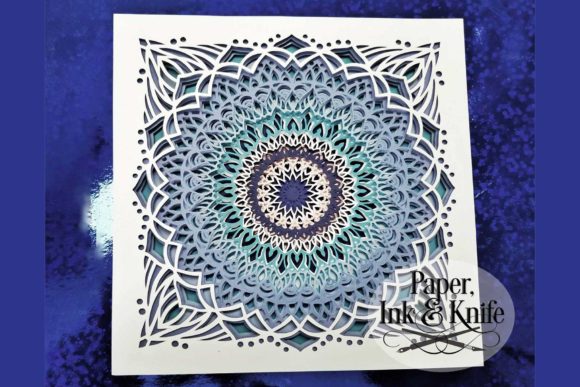
Mandala 4 3D Papercut Shadowbox: Laser Cutting & Shadow Boxes Review
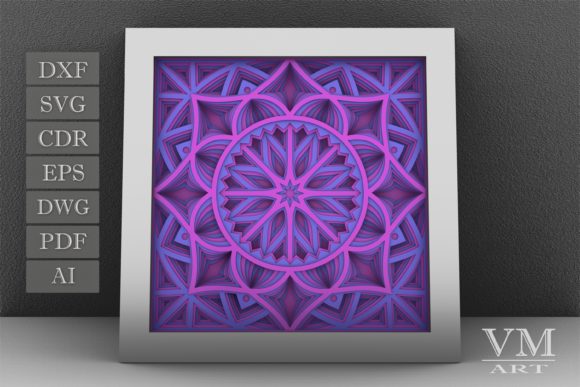
As a digital product creator who has spent years refining my shop’s visual identity, I approach every new asset with a mix of excitement and skepticism. When I first encountered the Mandala 4 3D Papercut Shadowbox, it wasn’t just another decorative clipart file; it felt like a structural blueprint for depth. The description promises "10 layers of papery goodness" that can be cut from white paper or colored individually. For an Etsy seller or a print-on-demand entrepreneur, this isn't just about a pretty image—it is about creating a tangible sense of dimension in a flat digital marketplace.
I recently tested this graphic design asset to see if it could elevate a struggling seasonal collection. My goal was simple: determine if this digital product had enough versatility to serve as a core component for multiple listing types, from physical prints to Cricut projects. Here is my practical breakdown of how Mandala 4 fits into a commercial workflow.
First Impressions: Visual Personality and Niche Appeal
The immediate mood of the Mandala 4 design is elegant yet accessible. It strikes a balance between intricate detail and clean negative space, which is crucial for laser cutting applications. Unlike overly busy mandalas that lose definition when scaled down, this design maintains its hierarchy. It feels premium, suggesting a buyer who values craftsmanship over mass-produced decor.
Visually, it leans towards a modern-rustic aesthetic. This makes it highly adaptable. It works beautifully for bohemian wedding invitations, minimalist nursery decor, or even spiritual wellness branding. The "papery" texture implied by the design invites tactile interaction, whether the end user is printing it at home or sending it to a professional printer. For content creators and bloggers, this asset offers a sophisticated visual anchor that doesn’t scream for attention but commands respect through its layered complexity.
Real-World Application: From File to Sold Product
The true test of any commercial design is its utility across different product lines. I mapped out three distinct scenarios where Mandala 4 proved its worth.
- SVG Design and Cricut Projects: The layering concept is inherently suited for vector formats. By separating the 10 layers into individual SVG files, I created a kit for crafters. These users love step-by-step assembly guides. Selling this as a "DIY Shadow Box Kit" allows you to charge a premium for the convenience of organized layers. It transforms a simple graphic into an interactive experience.
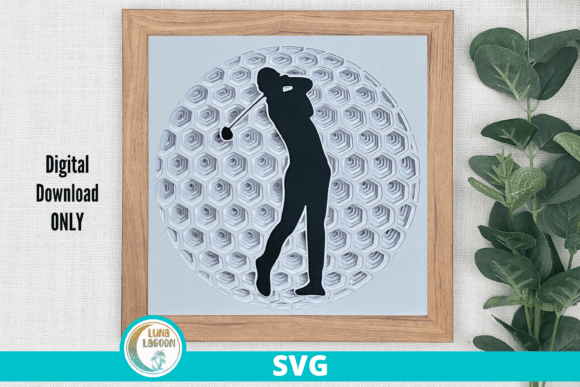
- Printable Wall Art and Digital Downloads: Even without physical assembly, the design shines as a high-resolution PNG. I used the layered structure to create a "depth effect" in Photoshop, adding subtle drop shadows to simulate the 3D look on screen. This allowed me to list it as a ready-to-print wall art piece. Customers appreciate the illusion of depth, especially in frames where actual shadow boxes are too expensive or bulky.
- Sublimation Design and Merchandise: For t-shirt designs or mug designs, the mandala serves as a central focal point. I tested placing the full 10-layer stack on a dark tumbler wrap. The contrast popped, and the intricate details remained visible. However, for smaller items like tote bag prints, I simplified the layers to ensure the ink didn’t bleed together during the heat press process.
Product Presentation and Thumbnail Strategy
In the crowded world of creative marketplaces, your thumbnail is everything. A static image of a mandala often gets lost among hundreds of similar listings. Mandala 4 offered a unique angle: presentation through layering.
I created mockup previews that showed the layers fanned out before assembly. This visual storytelling technique immediately communicates value. It tells the customer, "This isn't just a picture; it's a project." This perceived value directly impacts click-through potential. When designing listing images, I placed the assembled shadow box next to raw materials—white cardstock, scissors, and glue sticks—to reinforce the handmade business vibe. This context helps customers visualize themselves using the product, reducing purchase hesitation.
For social media graphics, I broke the mandala down. Using one layer as a background pattern and another as a foreground icon created a cohesive brand identity across Instagram and Pinterest. The versatility here supports a consistent visual hierarchy, making your shop look professionally curated rather than haphazardly assembled.
Strategic Use Cases and Bundle Potential
This asset is not a one-trick pony. It integrates seamlessly into larger design bundles. I paired Mandala 4 with complementary elements like floral borders and gold foil textures to create a "Boho Wedding Invitation Template" set. The mandala acted as the seal or centerpiece, elevating the entire package.
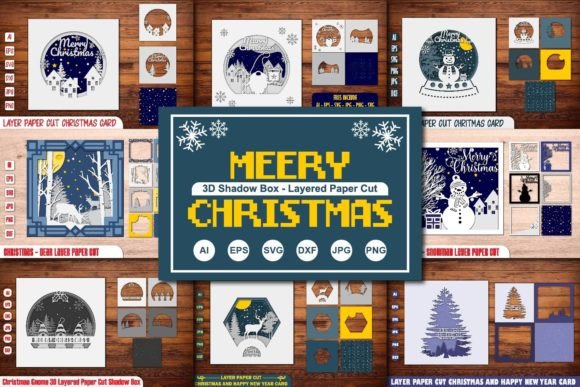
It also works exceptionally well for seasonal collections. During autumn, coloring the layers in warm tones (burnt orange, deep red) created instant holiday appeal. In winter, switching to cool blues and silvers turned the same asset into a festive decoration. This adaptability means you can repurpose the same digital download multiple times a year, maximizing your return on investment.
Where Caution Is Required
Despite its strengths, there are pitfalls to avoid. First, tiny sticker designs. If you scale the mandala down to fit a standard die-cut sticker size, the inner details will become muddy. Always check the minimum viable size before publishing. Second, dark backgrounds require careful contrast management. While the design looks striking on black, ensuring the white paper simulation remains bright enough is critical for legibility.
Additionally, for print-on-demand products, verify the resolution. If you are selling high-quality archival prints, ensure your source files are vector-based or at least 300 DPI. Low-resolution versions will result in pixelated edges, damaging your reputation for quality. Finally, when preparing files for customers, organize them clearly. Label each layer (Layer 1, Layer 2, etc.) so users don’t have to guess the assembly order. Poor organization leads to negative reviews, regardless of how beautiful the design is.
Practical Seller Notes for Success
To get the most out of Mandala 4 3D Papercut Shadowbox, follow these technical checks:
- Test on Real Mockups: Don’t rely solely on digital renders. Print a version yourself to see how the layers interact physically. This helps you write accurate instructions for buyers.
- Font Pairing: When creating invitation templates, pair the intricate mandala with clean sans serif fonts for readability, or elegant script fonts for a romantic touch. Avoid overly decorative display fonts that compete with the design.
- Commercial License Verification: Before listing finished products, double-check the commercial license terms. Ensure you are permitted to sell physical items made from the digital file, not just the file itself.
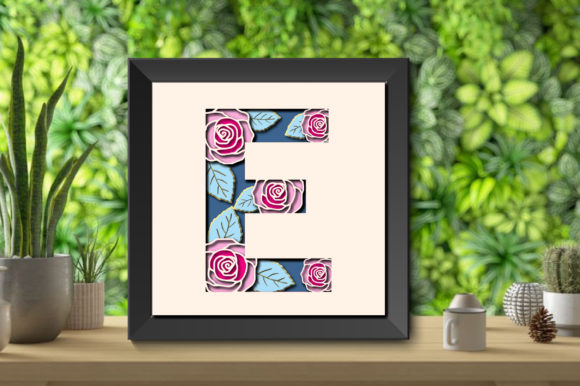
- Color Variations: Provide examples of color palettes. Show customers how changing the layer colors alters the mood. This encourages impulse buys as they imagine the asset in their own home decor.
Ultimately, Mandala 4 is more than a clipart image; it is a tool for engagement. It bridges the gap between passive viewing and active creation. For sellers looking to expand their catalog with high-value, interactive design assets, this shadow box design offers a solid foundation. It respects the intelligence of the crafter while providing a polished, professional result that justifies a premium price point.