Kiwi 3D Papercraft: A Designer’s Take on Shapes and 3D SVG Assets
As a brand designer who spends most of my days refining visual identities for local businesses, I am always scanning for assets that can elevate a project without overwhelming it. Recently, I came across the Kiwi 3D Papercraft, a design asset that immediately caught my eye not just for its novelty, but for its potential utility in small business branding. It is categorized under Shapes and delivered as a 3D SVG, which suggests versatility for both digital and physical applications. But does it hold up in a real-world commercial context? Let’s break down how this asset might fit into a cohesive brand strategy.
The First Impression: Mood and Brand Personality
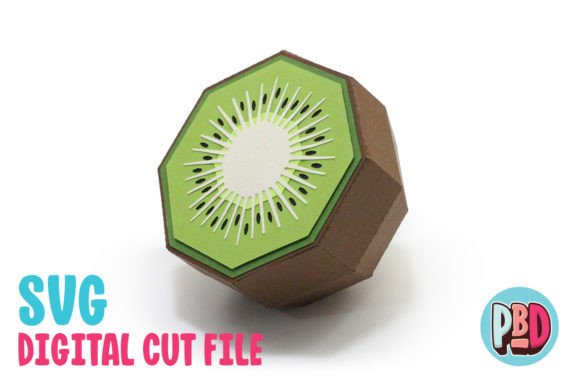
When you first open the file for Kiwi 3D Papercraft, the immediate takeaway is its playful yet structured aesthetic. This isn’t just a flat clipart image; it has depth. The design creates a mood that is inherently friendly, organic, and tactile. For a local business owner—whether they run a boutique skincare line, an artisanal bakery, or a handmade candle shop—this kind of visual language signals approachability. It feels handmade, which is crucial in today’s market where consumers crave authenticity over mass-produced perfection.
The kiwi fruit itself is often associated with freshness, vitality, and natural ingredients. By rendering it in a 3D papercraft style, the asset bridges the gap between modern graphic design and traditional craft. It suggests a brand personality that is bold yet soft, festive yet professional. If you are building a brand identity for a product that prides itself on being eco-friendly or locally sourced, this asset aligns perfectly with those values. It avoids looking too corporate or sterile, instead offering a decorative element that adds character to any visual hierarchy.
Real-World Applications for Local Businesses
In my experience, the best graphic design assets are those that serve multiple functions within a single campaign. Here is how Kiwi 3D Papercraft can be integrated into various aspects of small business branding:
- Packaging Design: This is perhaps the strongest use case. The asset can be used as a hero graphic on product boxes, jars, or bags. Because it is a 3D SVG, it can be scaled without losing quality, making it ideal for everything from tiny stickers to large shipping boxes. It adds a premium feel to product labels, turning a simple container into a branded experience.
- Hang Tags and Thank-You Cards: For handmade businesses, the unboxing experience is critical. Using this kiwi design on hang tags or thank-you inserts adds a layer of thoughtfulness. It shows customers that attention to detail matters, fostering an emotional connection and encouraging repeat purchases.
- Social Media Graphics: In a crowded social media feed, static images often get lost. A 3D element like this papercraft kiwi stands out. It works beautifully as a background element for promotional ads, seasonal campaign visuals, or new product announcements. It brings a sense of movement and dimension to social media graphics that flat illustrations sometimes lack.
- Printable Inserts and Marketing Materials: Whether it is a flyer, a menu graphic for a cafe, or a price list for a florist, this asset provides a focal point. It helps guide the customer’s eye through the information, supporting a clearer visual hierarchy and ensuring your key message is read.
Elevating Business Presentation and Trust
One of the biggest challenges for local entrepreneurs is establishing trust quickly. Professional presentation is the first step in that journey. Incorporating high-quality design assets like Kiwi 3D Papercraft directly impacts how a brand is perceived. When your packaging looks polished and your marketing materials are visually consistent, customers assume your products are of equal quality.
This asset supports stronger first impressions by adding a unique decorative element that competitors might not have. It enhances product recognition, especially if you use it consistently across all touchpoints—from your website banners to your physical product mockups. Furthermore, it contributes to a more professional packaging look, which can justify higher price points and improve shelf appeal in retail environments. Ultimately, it helps build a more cohesive and trustworthy brand narrative.
Strategic Placement: Where It Works Best
To maximize the impact of this design asset, placement is key. It excels when used as a standalone hero graphic or a significant decorative accent. Consider using it on the front of packaging where it can be the main visual hook. It is also effective in editorial design contexts, such as magazine-style layouts for newsletters or blog posts about your brand story.
For web design, it can serve as a compelling icon or illustration that breaks up text-heavy sections. In marketing visuals, pairing it with clean, ample white space allows the 3D effect to shine. It is particularly well-suited for seasonal campaigns, such as summer promotions or health-focused events, where the fresh connotation of the kiwi resonates with the audience.
Areas for Caution and Careful Use
While versatile, this asset is not a one-size-fits-all solution. There are specific scenarios where Kiwi 3D Papercraft should be used carefully or avoided entirely:
- Formal Corporate Branding: If you are designing for a law firm, a financial institution, or a serious medical practice, this playful 3D style may undermine the authority and seriousness of your brand.
- Crowded Product Packaging: Avoid placing this asset in areas with dense text, such as ingredient lists or legal disclaimers. The intricate details of the papercraft style can become muddy if printed too small or placed against busy backgrounds.
- Luxury Minimalist Brands: While minimalism is popular, some ultra-luxury brands prefer subtle embossing or foil stamping rather than colorful 3D illustrations. In these cases, the asset might feel too casual.
- Low-Contrast Backgrounds: Ensure there is sufficient contrast between the asset and its background. On light or low-contrast surfaces, the details of the 3D model may get lost, reducing its effectiveness.
Practical Notes for the Design-Conscious Entrepreneur
Before integrating Kiwi 3D Papercraft into your commercial design workflow, keep these practical tips in mind:
- Test on Mockups: Always preview the asset on real packaging mockups. Seeing it in three dimensions helps you judge scale and impact better than a flat screen view.
- Check Color Versatility: Preview the asset in black and white, as well as in your brand’s specific color palette. Ensure it remains legible and impactful when colors change.
- Font Pairing: Experiment with different typography styles. This asset pairs well with sans-serif fonts for a modern look, script fonts for a feminine touch, or display fonts for bold statements. Test it alongside serif and handwritten fonts to find the perfect balance.
- Review File Quality: Since it is a SVG design, inspect the vector editability. Check if you can adjust paths or colors easily. Also, review the PNG transparency options for quick web use.
- Confirm Licensing: Most importantly, verify the commercial license. Ensure you have the right to use the asset for client work, physical product sales, and unlimited marketing visuals. This protects your business from legal issues down the line.
In conclusion, Kiwi 3D Papercraft is a dynamic addition to any creative marketplace collection. Its blend of organic charm and structural clarity makes it a powerful tool for local business owners looking to stand out. By using it strategically in your packaging design, social media graphics, and overall brand identity, you can create a more engaging, trustworthy, and professional presence in your market.