Lucky Cauldron 3D Papercraft: A Designer’s Review of This 3D SVG Shapes Asset
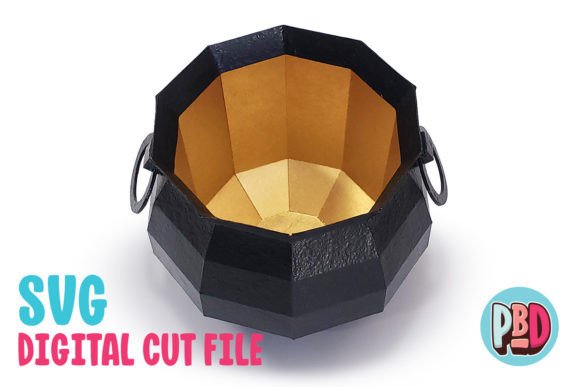
When I first pulled the files for Lucky Cauldron 3D Papercraft into my design workspace, my immediate reaction was one of cautious optimism. As a graphic designer who frequently bridges the gap between digital concepts and physical production, I am always looking for assets that offer more than just a flat image. This asset caught my eye because it promises depth and tactile engagement through its 3D SVG structure. The visual mood is undeniably festive, leaning heavily into the whimsical yet structured aesthetic that performs exceptionally well in seasonal marketing campaigns. It feels less like a generic clipart element and more like a deliberate design choice for brands that want to inject personality into their St. Patrick’s Day or springtime content.
The initial impression is strong because the geometry suggests volume without requiring complex rendering. For a small business owner or a handmade brand launching a limited-edition product line, this kind of visual shorthand is invaluable. It communicates "craft," "handmade," and "special occasion" instantly. However, before committing to any creative design project, it is essential to evaluate how such an asset integrates with broader brand identity systems. Does it feel cohesive, or does it clash with existing visual hierarchies? In the case of this papercraft style, the answer depends largely on execution and context.
Evaluating Visual Hierarchy and Brand Consistency
In professional design work, every element must earn its place. When considering Lucky Cauldron 3D Papercraft for a client project, the first step is to assess its role within the layout. This asset works best when it serves as a hero graphic or a primary decorative accent. Because the design implies three-dimensionality, it naturally draws the eye. Placing it in large layout areas allows the viewer to appreciate the structural details that make it distinct from standard flat illustrations. If you are designing packaging for a boutique confectionery brand or creating social media graphics for a local event, this asset can anchor the composition effectively.
However, designers must be wary of crowded layouts. The intricate nature of papercraft designs often includes overlapping elements and shadows that can become muddy if scaled down too much. In minimalist branding projects, where clean lines and negative space are paramount, this asset might introduce unnecessary visual noise. Similarly, in corporate materials that demand strict professionalism, the playful nature of a cauldron-themed papercraft model may undermine the desired tone of authority. It is crucial to maintain visual trust by ensuring the asset aligns with the emotional appeal expected by the target audience. For a handmade business or a creative marketplace seller targeting families and craft enthusiasts, the whimsy is a feature, not a bug.
Practical Applications Across Digital and Physical Media
The versatility of a 3D SVG format opens up numerous possibilities for commercial design. From a technical standpoint, vector editability allows for seamless integration into various design software environments. Whether you are working on a Canva template for a blogger, preparing files for a Cricut project, or refining a sublimation design for print-on-demand apparel, the scalability of the SVG ensures crisp edges at any resolution. This is particularly important for sticker design and t-shirt design, where clarity at smaller sizes is critical.
For editorial design and web design, this asset can serve as a compelling illustration that breaks up text-heavy sections. Imagine using it in a blog post about DIY holiday decor or as part of a Pinterest pin strategy aimed at driving traffic to an Etsy product page. The asset’s ability to suggest texture and form makes it ideal for printable wall art or digital downloads where the user will eventually interact with the physical result. Furthermore, its thematic relevance extends beyond St. Patrick’s Day; it can be adapted for other holidays, parties, or events, making it a flexible component of a larger design bundle.
When integrating this asset into packaging design, consider how it interacts with typography. Pairing it with a display font can enhance the festive mood, while a sans serif font might provide a modern contrast that grounds the whimsical imagery. Script fonts could add a touch of elegance if the client is aiming for a more upscale, artisanal look. The key is to test these combinations rigorously. A logo design incorporating this element would require careful simplification, but as a supporting brand element in marketing visuals, it offers rich potential for audience engagement.
Technical Checks Before Commercial Use
Before delivering final assets to a client, several technical checks are non-negotiable. First, preview the Lucky Cauldron 3D Papercraft in black and white. This simple step reveals whether the design relies too heavily on color for its impact or if its structural integrity holds up monochromatically. Next, check contrast on both light and dark backgrounds. Papercraft designs often use shading to create depth; ensure these shadows remain visible and do not blend into the background, which can compromise readability and visual hierarchy.
It is also vital to inspect the PNG transparency if included, as jagged edges or halos can detract from the polished look required for high-end client work. Test print quality by outputting a physical proof. Since the product description notes that measures 6 W, verify that the scale translates correctly to your intended medium. For Cricut users, ensure the cut lines are precise and that the layers separate logically for assembly. If the asset is part of a digital product meant for resale, confirm commercial licensing terms explicitly. Using design assets without proper rights can lead to serious legal issues for small business owners and agencies alike.
Final Verdict for Design Professionals
Ultimately, Lucky Cauldron 3D Papercraft is a strong candidate for projects that celebrate creativity, tradition, and hands-on engagement. It fits naturally into the workflows of content creators, bloggers, and publishers who need engaging visuals quickly. For digital sellers and print-on-demand entrepreneurs, it offers a unique selling proposition that differentiates products from mass-market alternatives. While it requires thoughtful placement to avoid overwhelming simpler designs, its ability to evoke nostalgia and joy makes it a valuable addition to any graphic design asset library. By treating it with the same respect as a custom illustration—checking contrasts, testing scales, and ensuring brand alignment—designers can leverage this 3D SVG shapes asset to create memorable, effective, and commercially viable design solutions.